
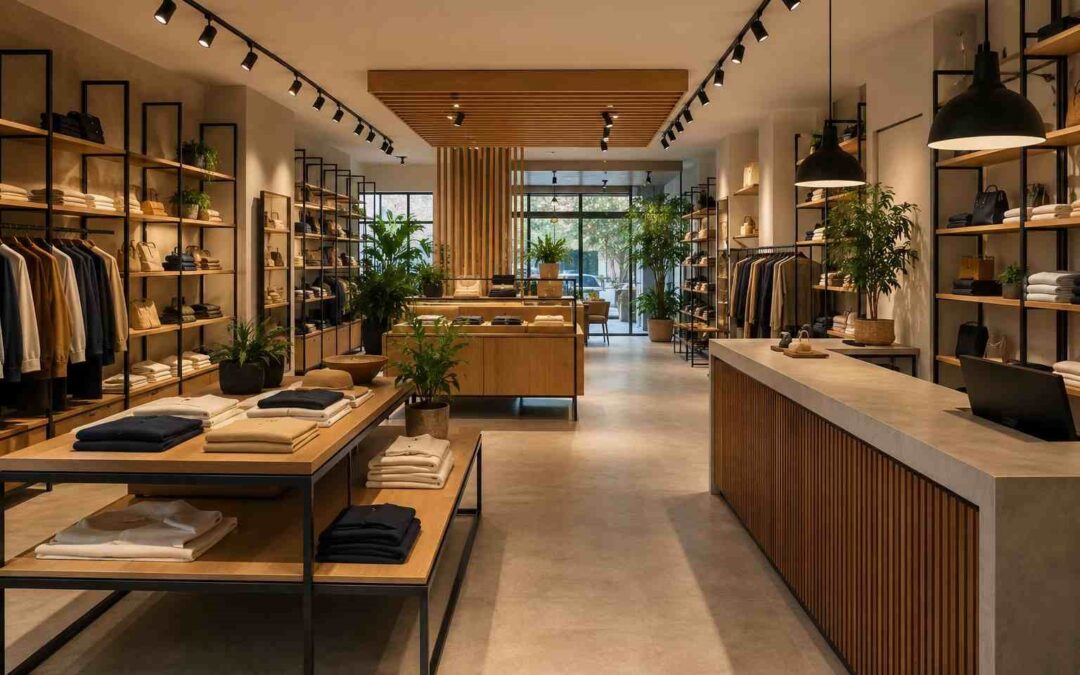
The best retail furniture for a store combines three factors: functionality, aesthetics aligned with the brand and materials that withstand daily use. Before buying, it is worth defining the customer journey, measuring the available space carefully and choosing pieces that reinforce the business’s visual identity. Bespoke furniture usually delivers better results than off-the-shelf solutions, because it adapts to the premises and makes it easier to apply visual merchandising strategies. Companies specialising in retail space design, such as Grupo WDi, help translate these criteria into practical, cost-effective solutions.
Choosing the right furniture is no minor decision. Every shelf, counter or display influences how customers move around the store. It also affects how long they stay inside and which products they end up buying. That is why this guide covers the key aspects to weigh up before investing.
How to Choose the Best Retail Furniture for Your Store
The first step is to analyse the store’s actual space. The dimensions, ceiling height and location of the entrances determine which type of retail furniture works best. A common mistake is buying attractive pieces that do not fit the circulation of the premises.
The second step is to think about the customer. A good piece of retail furniture guides the eye, invites people to touch the product and makes buying easier. It is not just about decorating, but about creating a pleasant, functional experience in every corner of the store.
Bespoke store furniture: the key to personalisation
Bespoke store furniture solves a common problem: the lack of standard pieces that fit the available space. Made-to-measure manufacturing makes it possible to use every square metre without wasting usable floor area.
In addition, customised furniture reinforces brand identity. Colours, shapes and finishes can be designed to convey the business’s values. This creates a more coherent and memorable shopping experience for the customer.
Working with specialists in bespoke furniture manufacturing also reduces production times. Companies in the sector know which materials are best suited to the intended use of each piece.
Materials and sustainability in retail furniture
The chosen material determines the durability of the furniture and its future maintenance. Wood brings warmth and usually suits fashion, homeware or food stores well. Metal, on the other hand, offers robustness and a more industrial or minimalist feel.
More and more brands are looking for environmentally friendly options. Recycled or low-impact materials are no longer just a trend, but a real demand from many consumers.
Before deciding, it is worth consulting this guide to sustainable POS materials to discover viable alternatives without sacrificing the look or strength of the furniture.
Finishes matter too. A scratch-resistant varnish or a fingerprint-proof lacquer extends the useful life of the furniture. In stores with high footfall, this detail makes all the difference in the medium term.
Visual merchandising and space design: how furniture makes a difference
Visual merchandising studies how furniture, lighting and product placement affect sales. A badly positioned unit can hide products with potential. A well-thought-out one, by contrast, turns them into the stars of the shop window.
Shelf height, aisle width and counter placement are all part of this discipline. Everything should make it easy for customers to find what they are looking for without effort.
Central displays are often used to highlight new arrivals or promotions. Placing them near the entrance captures attention from the very first second. This technique, simple as it may seem, requires planning and an understanding of customer behaviour.
Having a team specialising in retail design services allows these techniques to be applied with professional judgement. Experience gained across different sectors helps avoid costly design mistakes.
Functionality, ergonomics and customer experience
An attractive piece of furniture loses value if it is awkward to use. Ergonomics should be considered for both customers and store staff. Easy-access drawers or counters at the right height speed up day-to-day work.
Accessibility is also an important criterion. Wide aisles and well-distributed shelving make it easier for all kinds of customers to move around, including people with reduced mobility or those with pushchairs.
Cleaning and maintenance influence the final choice. Easy-to-clean surfaces reduce time and operating costs, especially in sectors such as food or cosmetics.
Budget and suppliers: what to bear in mind
Budget should not be the only decision criterion, but it is a decisive one. Comparing prices without assessing quality and durability often proves expensive in the long run. A cheap unit that breaks early ends up generating additional costs.
Choosing a supplier with proven experience makes all the difference. Reviewing previous projects helps you gauge the level of finish and the ability to adapt to different store formats.
Browsing the retail furniture project portfolio of a specialist company lets you check real results before hiring the service. This reduces risk and gives you confidence in the investment.
It is also worth asking about manufacturing and installation lead times. A store opening usually has tight deadlines, and a reliable supplier must meet the agreed timescales without compromising quality.
Conclusion
Choosing the best retail furniture means looking beyond aesthetics. The available space, materials, ergonomics and budget must be analysed together to make a sound decision. Bespoke furniture, combined with visual merchandising criteria, usually delivers the best long-term results.
If you are thinking of refurbishing or opening a store, do not leave this decision to chance. Get to know Grupo WDi and its experience in manufacturing and installing retail furniture, or request a quote for your project with no obligation.
Frequently asked questions
What is retail furniture?
It is the set of furniture designed for stores and retail spaces, such as shelving, counters, displays or showcases, intended to display products and make buying easier.
How much does bespoke furniture for a store cost?
The price varies depending on the materials, the size of the premises and the complexity of the design. That is why it is best to request a personalised quote before deciding.
Which material is best for store furniture?
It depends on the sector and the intended use. Wood brings warmth, metal provides strength, and sustainable materials are gaining ground thanks to their lower environmental impact.
How does furniture influence a store’s sales?
Furniture shapes the customer journey, product visibility and brand perception. Good design can increase dwell time and average basket value.
Is it better to buy standard or bespoke furniture?
Bespoke furniture makes better use of space and reinforces brand identity. Standard furniture can be useful for tight budgets or quick openings.