
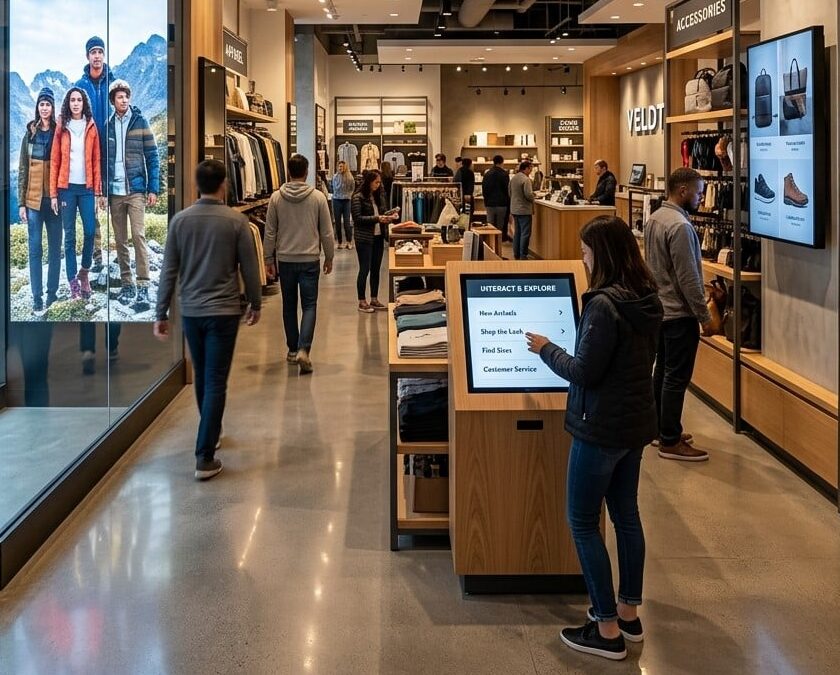
Point-of-sale screens, also known as digital signage, are display devices installed in physical stores to show advertising, informational or promotional content in real time. Choosing the right option depends on factors such as the size of the space, the type of content you want to show, the ambient lighting and the available budget. Companies such as Grupo WDi help brands select, integrate and manage these screens within a broader retail marketing strategy, ensuring that the technology adds real value to the shopping experience.
Every year, more physical stores incorporate digital screens as part of their point-of-sale communication. However, not every installation achieves the expected impact. The difference between a screen that genuinely influences sales and one that becomes visual noise lies in the content strategy and the quality of the installation, not just in the technology itself.
Point-of-sale screens: what options are available on the market
Point-of-sale screens come in different formats depending on the commercial need: shop window screens designed to catch attention from outside, in-store screens for product communication, interactive totems for browsing the catalogue or checking stock, and large-format LED screens for large spaces such as hypermarkets or shopping centres.
Choosing the right format depends directly on the commercial objective. A shop window needs high-brightness screens capable of competing with direct sunlight, whereas an in-store screen next to a product shelf can work perfectly well with more standard specifications. These kinds of technical decisions are usually defined within a broader digital marketing strategy that connects in-store communication with the brand’s other channels.
Digital signage and its impact on purchase decisions
Used well, digital signage has a direct impact on the customer’s purchase decision. Unlike traditional static signage, it allows content to be updated in real time and messages to be adapted to the time of day, available stock or even location-specific promotions.
This flexibility is especially useful in sectors such as fashion, food or consumer electronics, where promotions change frequently and constantly updating physical signage would be costly and inefficient. However, the real value of these screens lies not only in the technology, but in integrating them into a coherent in-store communication strategy, something that is usually developed together with retail marketing specialists.
Key factors in choosing the right screen supplier
Not all point-of-sale screen suppliers offer the same level of service. Before hiring one, it is worth assessing several aspects that go beyond the price of the hardware:
- Quality and durability of the screens for continuous commercial use.
- Remote content management capability across multiple stores.
- Technical support and professional installation at each location.
- Integration with the other POS materials and store design elements.
- Previous experience in projects of a similar scale.
Many brands make the mistake of buying generic consumer screens in the belief that they will save money, without taking into account that these devices are not designed to run continuously through long trading days. This leads to frequent breakdowns and higher medium-term costs for replacement and maintenance.
Reviewing previous projects is a good way to assess a supplier’s real experience. You can see examples of in-store technology integration in our project portfolio, which showcases different installation formats and scales.
Integrating screens with the rest of the point of sale
A screen installed in isolation, with no connection to the rest of the store design, is unlikely to generate the expected impact. For digital signage to work really well, it must be integrated into the customer’s visual journey, complementing other elements such as store fixtures, physical POS materials and product layout.
That is why many point-of-sale screen projects are developed with suppliers that can also manage POS materials production, ensuring that technology and physical design work in a coordinated way instead of competing for the customer’s attention.
This coordination is particularly relevant during product launches or one-off campaigns, where technology is often combined with in-store activations or events to maximise impact. These end-to-end projects are usually coordinated with teams specialising in commercial activations, who provide the logistics needed to deliver short campaigns with high visual impact.
Common mistakes when installing screens in store
One of the most common mistakes when introducing point-of-sale screens is installing them without a defined content plan, leaving the screen blank, showing generic factory images or displaying out-of-date information. This kind of oversight conveys exactly the opposite of what is intended: instead of reinforcing the brand image, it weakens it.
Another frequent mistake is choosing the screen’s location without considering the customer’s natural route through the store. A screen placed in a low-traffic spot, or at an uncomfortable viewing height, loses much of its effectiveness, regardless of the quality of the content it shows.
It is also common to underestimate the technical maintenance required. Commercial screens need periodic checks, software updates and, in some cases, specific cleaning to prevent wear from continuous use. Failing to plan for this maintenance from the start of the project usually leads to unexpected additional costs in the medium term.
The future of screens at the point of sale
Point-of-sale screens are evolving towards greater personalisation and interactivity. It is increasingly common to find screens that adapt their content according to variables such as the time of day, the weather outside or even the approximate profile of the people standing in front of them, using non-invasive cameras and sensors.
Integration with artificial intelligence is also starting to play a significant role, making it possible to analyse which content attracts the most attention or the longest viewing time, and automatically adjusting the schedule to maximise commercial impact.
As these technologies become more accessible, even smaller businesses will be able to adopt advanced digital signage, meaning that real differentiation between brands will depend increasingly on the quality of the content and the strategy behind the screen, not just on the hardware installed.
Content: the real key to digital signage success
Beyond the hardware, the content shown on the screens is the real differentiating factor. A poorly produced video with unclear or out-of-date messages can have the opposite effect to the one intended, projecting a careless brand image.
It is advisable to work with a content plan designed specifically for retail: short, visually striking messages adapted to the actual time a customer spends in front of the screen, which is usually just a few seconds. Consistency between digital content and the overall brand strategy is what really turns a screen into an effective sales tool rather than a merely decorative element.
A good content plan usually combines different types of message depending on the time of day or footfall: product information during quieter hours, specific promotions at peak times and more general brand messages outside normal trading hours, when the screen can also be used from the shop window to catch the attention of passers-by who do not come in.
If your brand is considering adding point-of-sale screens to its commercial strategy, you can explore our marketing services, read more content on the Grupo WDi blog or contact our team for specific advice tailored to your type of business and available space.
Frequently asked questions about point-of-sale screens
What is digital signage in retail? It is the use of digital screens in physical stores to display advertising or informational content that can be updated in real time, unlike traditional static signage.
What type of screen is best for a shop window? A high-brightness screen designed specifically for outdoor use or very bright spaces is recommended, as standard screens lose visibility in direct sunlight.
How much does it cost to install screens at the point of sale? The cost varies depending on the size, resolution, number of screens and complexity of the installation, so it is advisable to request a tailored analysis for each project.
Do I need to commission specific content for the screens? Yes, content adapted to the retail format is key to capturing attention in just a few seconds and having a real impact on purchase decisions.
Can several screens in different stores be managed from a single system? Yes, there are remote content management platforms that make it possible to update and schedule content on multiple screens in different locations centrally.